Medical Assistant Training Programs vs. Degree Programs: Which Path Makes More Sense in Amarillo?

A few months or two years? A couple thousand dollars or twenty thousand? Hands-on labs or just lectures? Medical assistant training programs come in all shapes and sizes, and the differences aren’t just cosmetic — they affect how much you spend, how quickly you start earning, and whether you’re actually prepared for the job.
Here’s a straightforward comparison of the main paths to becoming a medical assistant in Amarillo, so you can figure out which one makes financial sense for your situation.
The three main paths to becoming a medical assistant
Certificate / training programs
- Duration: Weeks to several months
- Cost: Typically $2,000–$6,000
- Focus: Clinical skills (phlebotomy, vitals, injections, EKGs) and administrative skills (scheduling, EHR, billing, HIPAA)
- Certification prep: Usually included
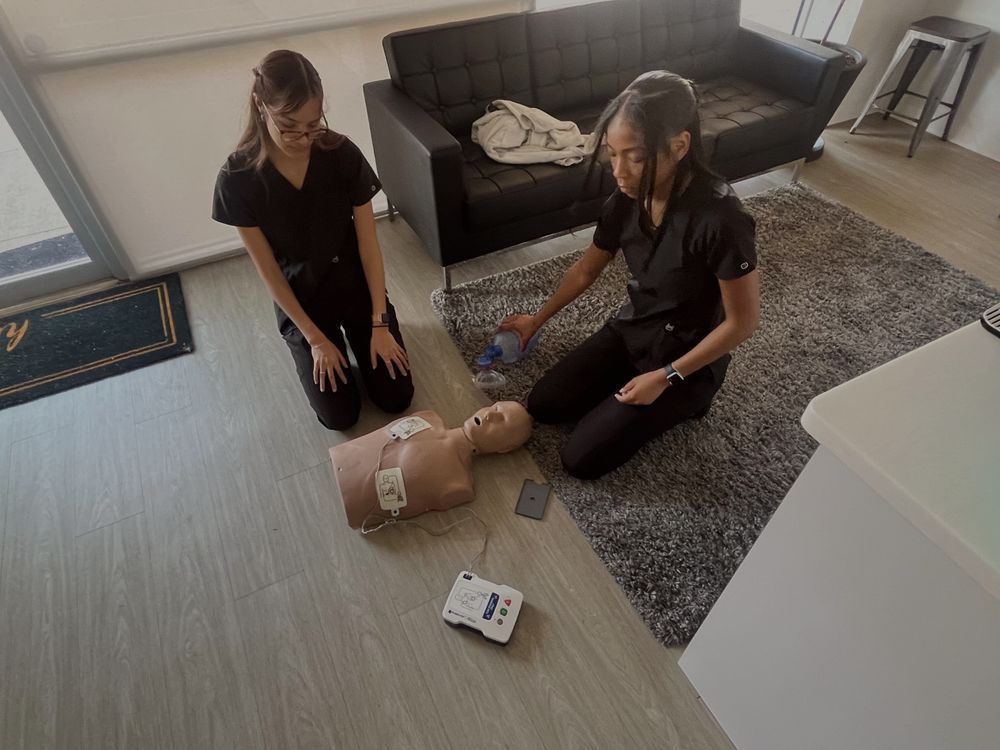
- Hands-on training: Labs, clinical practice, and/or externships
- Best for: Career changers, working adults, anyone who wants to start earning quickly
Diploma programs
- Duration: 9–12 months
- Cost: $5,000–$15,000
- Focus: Similar clinical and administrative content with a broader curriculum
- Certification prep: Usually included
- Hands-on training: Typically includes externship hours
- Best for: Students who want a slightly more comprehensive experience
Associate’s degree programs
- Duration: 18–24 months
- Cost: $10,000–$30,000+
- Focus: Medical assisting coursework plus general education (English composition, college math, introductory sciences, humanities)
- Certification prep: Sometimes included, sometimes not
- Hands-on training: Varies — some programs are heavily classroom-based
- Best for: Students who want a degree credential or plan to transfer credits to a bachelor’s program later
The cost-benefit comparison
This is where the differences become most striking. Let’s look at the real financial picture:
Time to employment
A focused training program graduate can be working and earning within a few months. A degree program graduate waits 18–24 months — sometimes longer if prerequisite courses are required.
During that gap, the training program graduate is earning a salary. Over 12 months at the national median:
- Training program graduate earnings during that gap: ~$44,000
- Degree program student earnings during that gap: $0 (or reduced income from part-time work)
Total investment
- Training program: $3,000–$5,000 in tuition, earning $44,000+/year within months
- Degree program: $15,000–$30,000 in tuition, not earning full-time for 2+ years
Five-year financial picture
| | Training Program Graduate | Degree Program Graduate | |—|—|—| | Tuition paid | ~$3,000–$5,000 | ~$15,000–$30,000 | | Years working in first 5 | ~4+ years | ~3 years | | Approximate total earnings | ~$176,000–$200,000 | ~$132,000 | | Net financial advantage | Ahead by $50,000–$80,000+ | — |
The math consistently favors faster, more affordable training — especially when the starting salary and job duties are the same regardless of which path you took.
Do employers care which path you took?
Here’s the part that surprises most people: for entry-level medical assistant positions, employers generally don’t pay more for a degree. What they care about is:
- Can you perform clinical skills competently? — vitals, phlebotomy, injections, EKGs
- Do you hold a recognized certification? — CCMA, RMA, or CMA
- Can you handle administrative tasks? — scheduling, EHR, billing, patient communication
- Are you professional and reliable?
A training program graduate with a CCMA and solid clinical experience is equally — and sometimes more — competitive than a degree holder without certification or hands-on practice.
When a degree makes sense
An associate’s degree isn’t the wrong choice for everyone. It may make sense if:
- You plan to transfer credits toward a bachelor’s degree later (nursing, health administration)
- Your employer offers tuition reimbursement and you have time to spare
- You want a broader educational foundation beyond medical assisting
But if your goal is to start working as a medical assistant as soon as possible, a focused training program delivers the same career outcome in less time and at a fraction of the cost.
What about online-only programs?
Some medical assistant training programs are fully online. While online learning works well for knowledge-based content — medical terminology, anatomy concepts, HIPAA regulations — it can’t replace hands-on clinical training.
The best option for most students is a hybrid model:
- Online delivery for academic content
- In-person labs or clinical sessions for skills like phlebotomy, injections, and EKGs
- Structured scheduling that fits around work and family
Fully online programs that skip hands-on practice leave graduates at a disadvantage when applying for clinical positions.
How to choose the right training program
When evaluating medical assistant training programs in Amarillo, use this checklist:
- Does the program include supervised, hands-on clinical practice?
- Is medical assistant certification exam prep built into the curriculum?
- Is the total cost transparent, including materials and exam fees?
- Are flexible payment plans available?
- What is the program timeline from enrollment to completion?
- Does the school provide career support — resume help, interview prep, employer connections?
- Can the school share graduate outcomes and certification pass rates?
A program that checks every box is designed around your success, not just your enrollment.
Explore your options at Amarillo Medical Assistant School
Ready to compare medical assistant training programs in Amarillo?
- Explore the program: Program details
- Review tuition and payment options: Tuition
- Talk to our team: Contact
- Apply: How to apply
You're only a few months from the medical assistant career you deserve.